Baldur's Gate 3 Review
Larian's CRPG opus is so reactive it feels alive. Few games have ever respected player choice this completely.
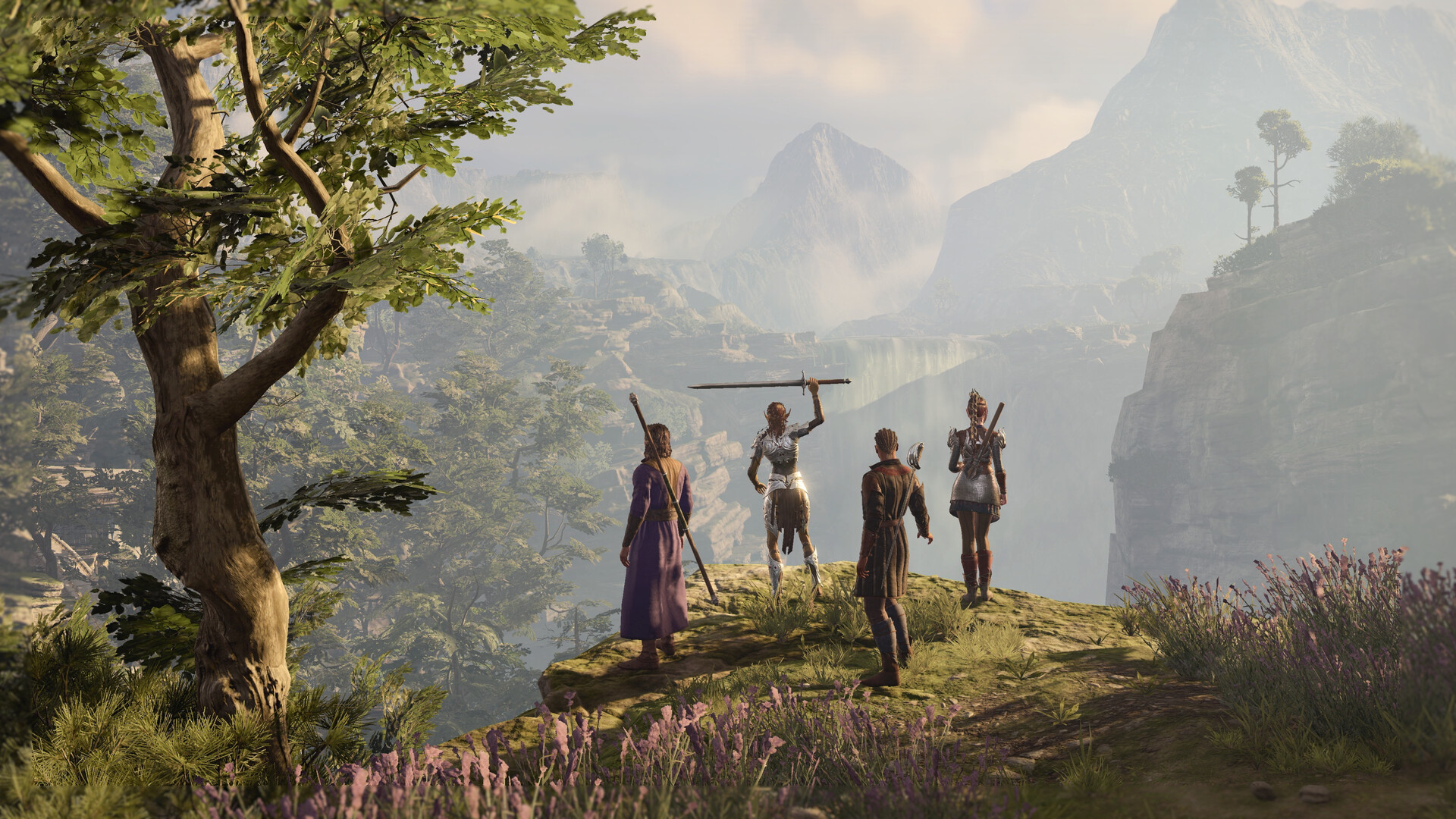
Baldur's Gate 3 is the rare game that makes you whisper “wait, I can actually do that?” and then proves it, again and again, for a hundred hours. Larian has built the most reactive role-playing game I have ever played, and it has only grown richer in the years since it left early access.
A world that always answers back
Shove a goblin off a cliff instead of fighting it. Turn invisible and rob the villain blind. Talk to the dead. Romance a vampire. Whatever wild idea you have, the game has quietly prepared a response, often with bespoke dialogue and consequences that ripple across acts. It is the closest a video game has come to a great Dungeon Master who never says “no.”
That comparison is not just a figure of speech. The game is built on the fifth-edition rules of Dungeons & Dragons and set in the Forgotten Realms, so skill checks, conversations and lockpicks all come down to the roll of a twenty-sided die. The story hook is pulpy in the best way: you wake aboard a mind flayer ship with a parasite in your skull, crash-land on the Sword Coast, and spend the campaign hunting for a cure while a cult of the “Absolute” gathers power. Almost anyone you meet can die, including characters the plot seems to depend on, and the game simply carries on around the hole you have left.
Dice, turns and glorious chaos
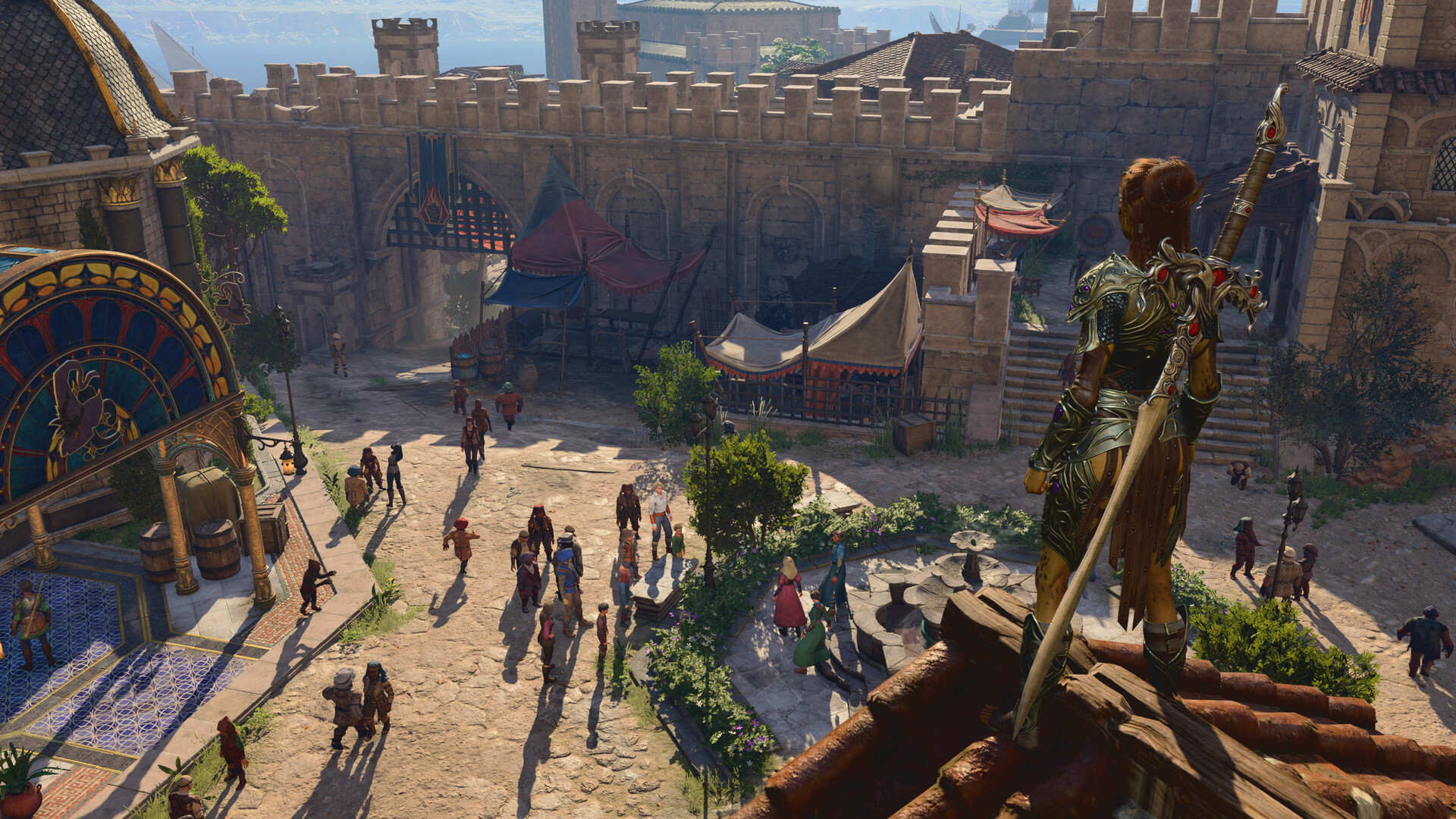
Combat switches to turns the moment steel is drawn, and it is where the tabletop DNA shows most clearly. Every character gets an action, a bonus action and a set amount of movement, and the percentage chance to hit is shown before you commit. The real fun is in the systems layered on top: grease a floor and set it alight, melt an icy patch with a fire arrow, lob an explosive barrel into a crowded doorway, or dip your blades in poison before an ambush. Height, positioning and a little creativity routinely beat raw numbers.
Character building is just as generous. You pick a class, species and background, level up to a cap of 12, choose feats that push a build in strange directions, and multiclass whenever the mood takes you. A camp companion even lets you respec, so experimentation is encouraged rather than punished. The tactical depth never feels like homework, because the fights are staged as set pieces with their own solutions waiting to be found.
Companions worth fighting for
The party members are the soul of the game. Shadowheart, Astarion, Karlach and the rest are written and performed with a tenderness and humour that most studios can't touch, and your relationships with them shift based on what you actually do, not a dialogue wheel. By the end they feel less like quest-givers and more like people.
Every speaking character is fully voiced, and the performance capture sells small moments that would be lost in text: a flinch, a half-smile, a pause before a confession at camp. You can even start the adventure as one of the Origin characters rather than a custom hero, which reframes the whole story from the inside. The companions have their own quest lines, and you can finish the game without some of them, which makes the ones who stay feel earned.
Three acts, one enormous city
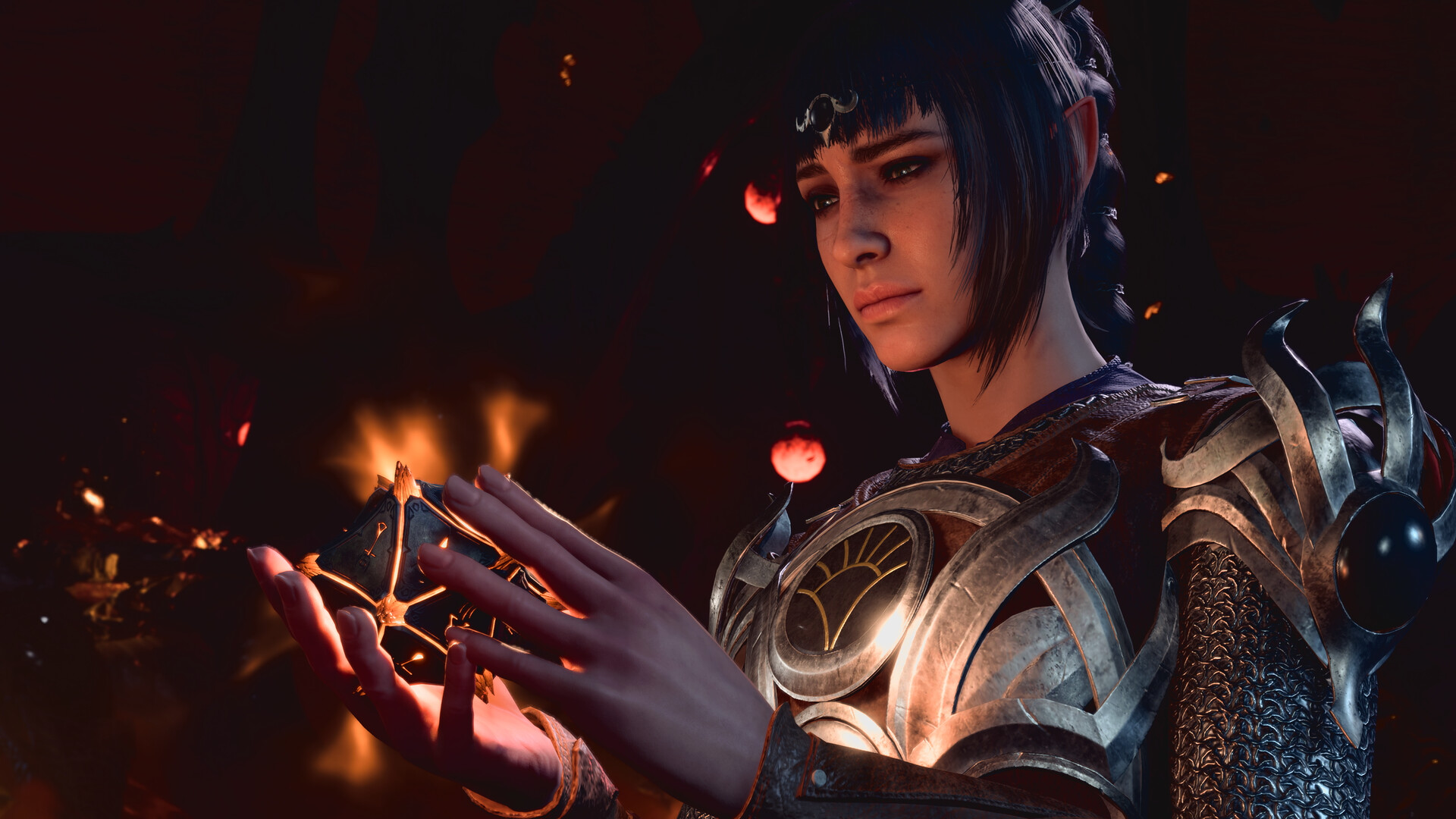
The campaign is split into three acts, each anchored to a large, dense region: a sun-bleached wilderness of druid groves and goblin camps, a cursed land swallowed by shadow, and finally the city of Baldur's Gate itself. That last act is the most ambitious thing here, a sprawling urban playground packed with interlocking quests, and it is also where the seams show. Performance dips noticeably in its busiest districts, and a handful of mechanics go under-explained for newcomers who have never touched a D&D rulebook.
The presentation elsewhere is lavish. Cinematic conversations, a free camera that swings from top-down to over-the-shoulder, and multiplayer co-op mean the game can be as intimate or as rowdy as your group wants.
What has changed since launch
After a lengthy early-access period that began in 2020, the full release arrived on PC on August 3, 2023, followed by PlayStation 5 on September 6 and macOS on September 22. Xbox Series X|S players got it on December 7, 2023, straight after The Game Awards. It went on to become the first title to win Game of the Year at all five major video game awards ceremonies.
It’s party time! Baldur’s Gate 3 is out now on PC. Enjoy the adventure! Steam: larian.club/x_BG3onSteam GOG: larian.club/x_BG3onGOG
— Larian Studios (@larianstudios) August 3, 2023
Larian kept supporting the game for free long after launch. Early patches brought more than a thousand fixes, the option to change your character's appearance, official mod support and extra endings for villainous playthroughs. December 2023 added a punishing permadeath mode, custom difficulty settings and an expanded epilogue. The final major update, released in April 2025, delivered 12 new subclasses, a photo mode, cross-platform play and split-screen co-op on Xbox Series S. Full details live on Larian's official support hub, and the Steam version ships with every one of those updates included. For the long road from pitch to release, the Wikipedia entry is a thorough primer.
Official resources
- Baldur's Gate 3 official website
- Larian Studios
- Larian support and patch information
- Baldur's Gate 3 on Steam
- Baldur's Gate 3 on GOG
- Baldur's Gate 3 on Wikipedia
The verdict
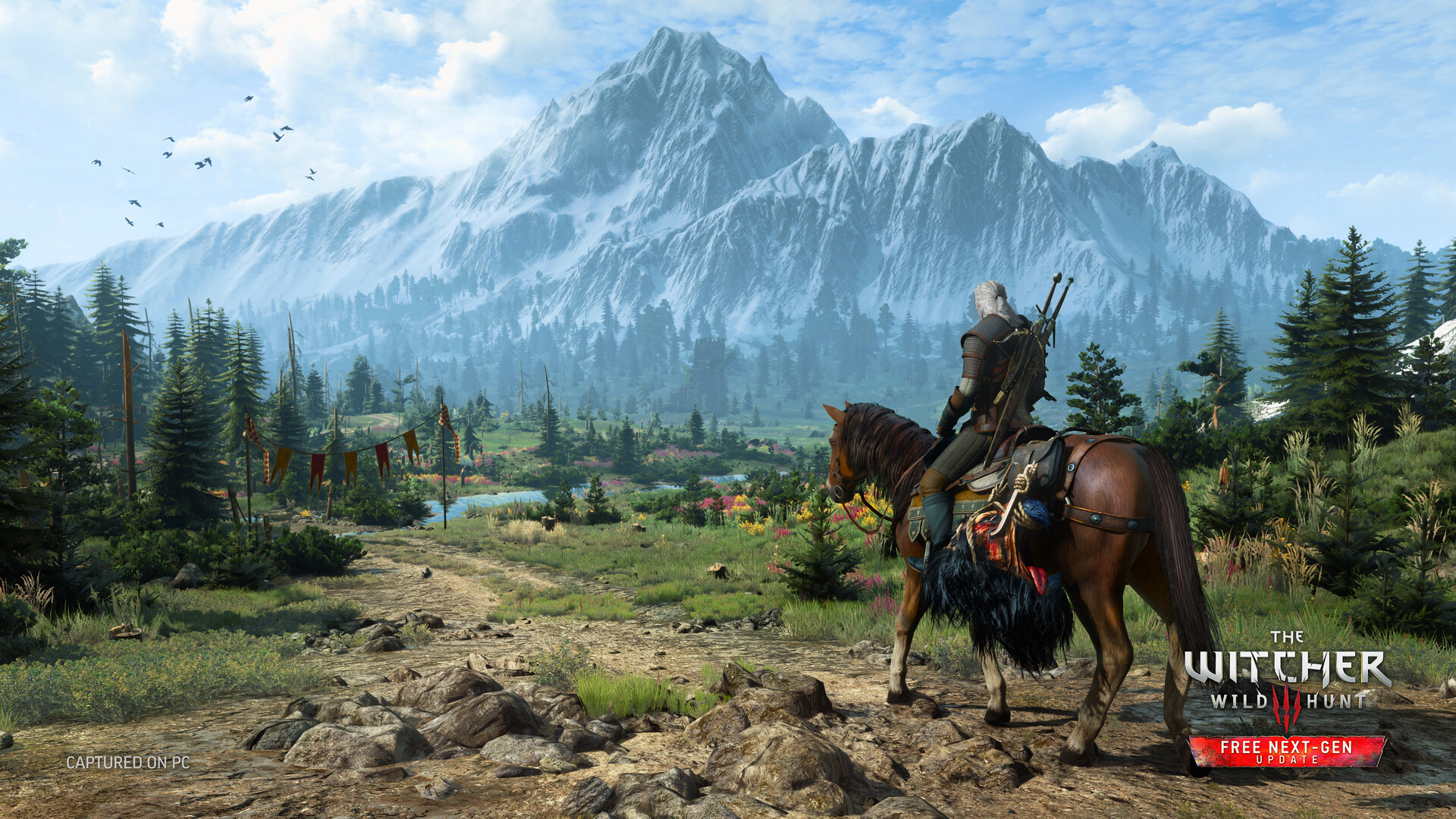
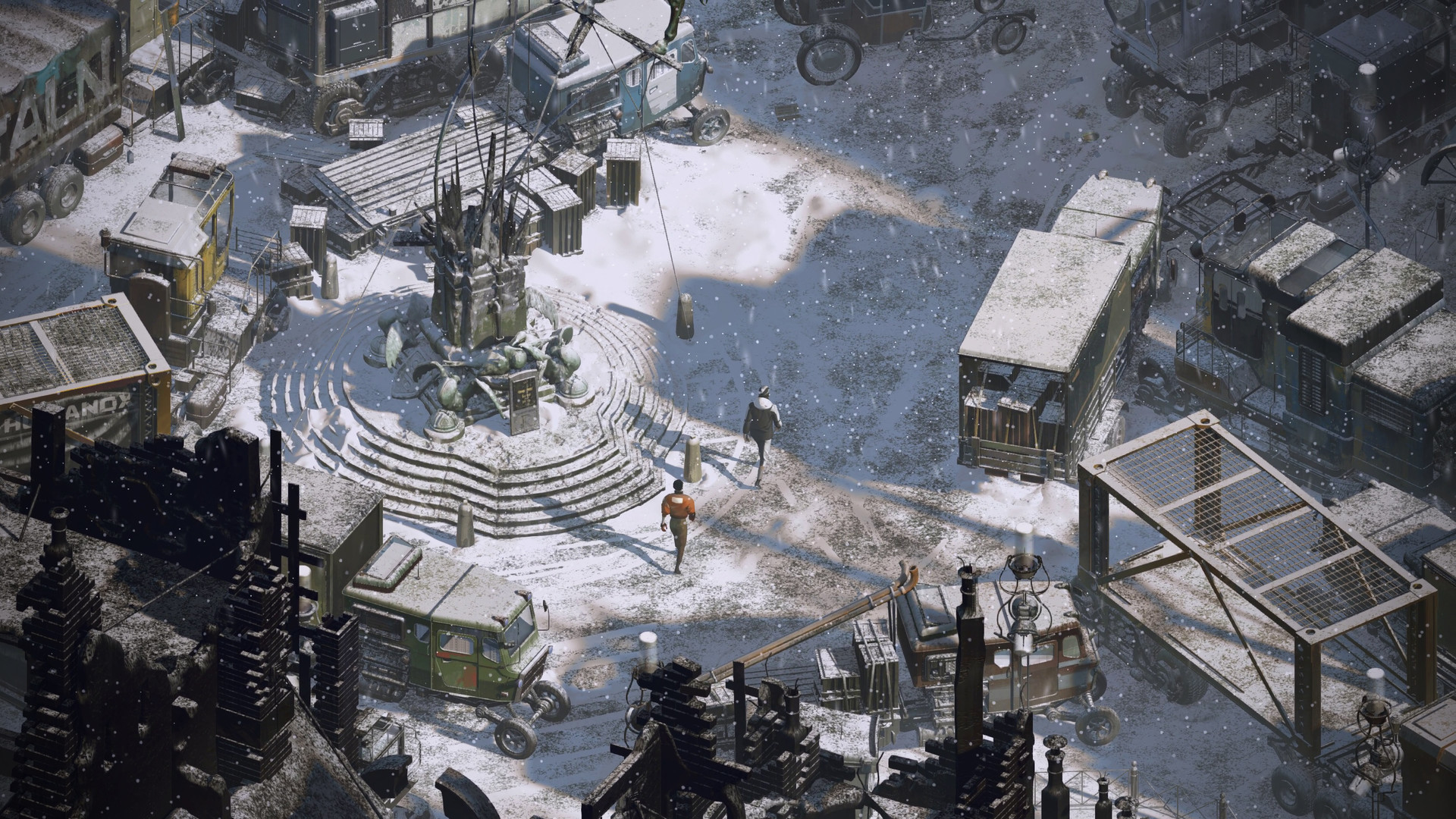
Performance dips in the dense third act and a handful of mechanics go under-explained, but these are tiny cracks in a masterpiece. If you love story-led RPGs like Disco Elysium or The Witcher 3, Baldur's Gate 3 is essential — a new high-water mark for the genre.
What we loved
- Astonishing reactivity — the game has an answer for everything
- Companions with genuine depth and arcs
- Combat that turns D&D 5e into a tactical playground
- Three full acts of hand-crafted content
What held it back
- Act 3 can stutter on lower-end hardware
- The sheer breadth can overwhelm newcomers
- A few systems are explained poorly